
The early signs of termite infestation in New Bern homes include mud tubes along foundation walls, discarded wings near windows, hollow-sounding wood, and small piles of frass that look like sawdust. Catching even one of these clues early can save you from significant structural repairs down the road.
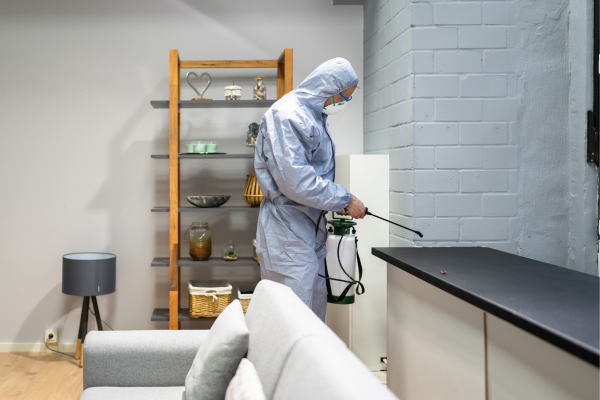
New Bern sits at the confluence of the Trent and Neuse rivers, which means the soil stays moist almost year-round. Subterranean termites, the most destructive species in North Carolina, need moisture and warmth to thrive. New Bern delivers both in abundance.
Craven County averages around 50 inches of rainfall per year, well above the national average. That moisture keeps the sandy, loamy soil near foundations damp, which is exactly the environment subterranean termite colonies prefer for building their underground networks.
Older neighborhoods like Ghent and Downtown New Bern also have a high concentration of older wood-frame homes, many built before modern termite-resistant construction practices were standard. That combination of age, wood type, and climate puts a lot of local homes at elevated risk.
Drywood termites are also present in coastal North Carolina, though they’re less common than subterranean species here. Both types can cause serious damage, and both leave early warning signs you can spot yourself.
Mud tubes are pencil-width tunnels made from soil, wood particles, and termite saliva. Subterranean termites build them to travel between the soil and the wood they’re feeding on, because they need humidity to survive above ground. Finding even one mud tube on your foundation is a strong indicator of an active or recent infestation.
In New Bern’s crawl-space-heavy housing stock, mud tubes often go unnoticed for months because homeowners rarely inspect under the house. Make it a habit to check your crawl space at least twice a year, especially after wet seasons.
Termite swarmers (also called alates) are reproductive termites that leave the colony in spring and early summer to start new colonies. After they land, they shed their wings immediately. Finding a small pile of translucent, equal-length wings near a windowsill or door frame is one of the clearest early signs of termite infestation in New Bern homes.
In coastal North Carolina, swarming season typically runs from March through May, though warm, humid days in late February or early June can trigger swarms too. Swarms often happen after rain.
It’s easy to confuse the two. Here’s how to tell them apart:
| Feature | Termite Swarmers | Flying Ants |
|---|---|---|
| Wing size | Both pairs equal length | Front wings longer than back |
| Waist | Straight, no pinch | Pinched, narrow waist |
| Antennae | Straight, beaded | Elbowed |
| Wing texture | Milky, veined | Clearer, fewer veins |
If you’re finding what looks like ant wings but you’re not sure, check out our Ant Control page for more on how to distinguish ant activity from termite activity.
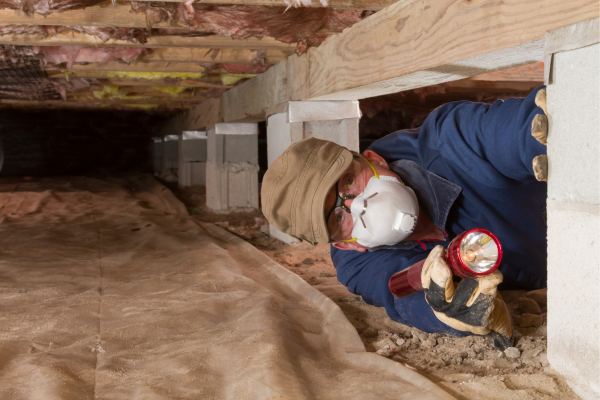
Termites eat wood from the inside out, leaving only a thin outer shell. Tap on a baseboard, door frame, or floor joist with your knuckle. A hollow or papery sound, instead of a solid thud, suggests termites have been feeding inside. This is one of the most reliable signs of termite damage in New Bern’s older wood-frame homes.
Blistering or bubbling paint on wood surfaces is another clue. It can look like water damage, but if there’s no plumbing nearby and no roof leak, termites feeding just beneath the surface may be the cause. The moisture they produce as they work can push paint off the wood.
Termites can hollow out a floor joist or wall stud for years before the surface shows any visible sign, which is why a professional inspection matters even when everything looks fine from the outside.
Drywood termites push their droppings out of small holes in the wood they’re infesting. These droppings, called frass, look like tiny pellets or fine sawdust and often collect in small piles below infested wood. If you find what looks like a small mound of sawdust near a window frame or piece of furniture with no obvious source, frass is a likely explanation.
Frass is typically six-sided and about 1 millimeter long, which distinguishes it from actual sawdust. Colors range from light tan to dark brown depending on the wood the termites are eating.
Subterranean termites don’t leave frass in the same way, since they use their droppings to build mud tubes. So frass piles point more specifically toward drywood termite activity, which does occur in coastal North Carolina homes.
If a door or window that used to open smoothly starts sticking or feels warped, termites may be the reason. As they eat through wood frames and produce moisture, the wood swells and warps. This is easy to dismiss as humidity-related swelling, which is common in New Bern’s coastal climate, but it’s worth investigating further if the sticking is new or getting worse.
Check the frame closely for mud tubes, frass, or soft spots. Press a screwdriver gently against the wood. If it sinks in easily, the wood has been compromised. Healthy wood should feel firm and resist light pressure.
When termites feed on softwood, they follow the grain, leaving a honeycomb or layered pattern inside the wood. This pattern is distinctive and different from rot or water damage. You’re most likely to see it in exposed wood in a crawl space, attic, or garage where termites have been active long enough to create visible galleries.
The EPA notes that subterranean termites are the most economically destructive insect in the United States, and their gallery patterns in structural wood are a key diagnostic sign that professionals look for during inspections.
If you spot this kind of damage in your crawl space or attic, the infestation has likely been active for at least several months. Getting a professional inspection scheduled quickly is the right move at that point.
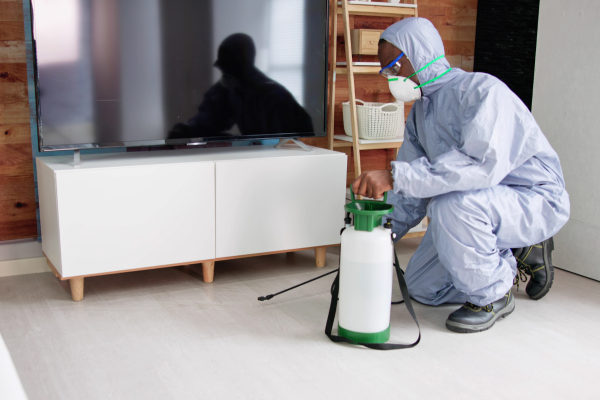
Floors that squeak more than usual, feel spongy underfoot, or have developed a slight sag can indicate that subfloor joists have been weakened by termites. The same goes for ceilings that develop unexplained soft spots or slight bowing. These are late-stage signs, meaning the infestation has been active for a while, but catching them before the structural damage becomes severe still matters.
In New Bern homes built on crawl spaces (which is most of the housing stock in neighborhoods like Trent Woods and areas near the Neuse River), subfloor joists are particularly vulnerable because they’re close to the soil and exposed to high humidity.
River Pest offers termite inspection and treatment services across New Bern and the surrounding area. You can see the full list of River Pest service areas across eastern North Carolina, including locations in River Bend and Havelock.
If you spotted any of the signs above, don’t wait to see if they get worse. Contact River Pest LLC at (252) 876-5360 to schedule a termite inspection. You can also explore our full termite inspection and treatment services to learn what to expect.
The earliest signs of termites include mud tubes on foundation walls, discarded wings near windows after a swarm, and hollow-sounding wood when you tap on baseboards or door frames. In New Bern homes, mud tubes in crawl spaces are often the first clue a homeowner or inspector finds.
Look at the wings and body shape. Termite swarmers have equal-length wings and a straight waist with no pinch. Flying ants have unequal wings and a clearly pinched waist. Termite wings also break off very easily, so you’ll often find piles of wings with no insects nearby.
A mature subterranean termite colony can contain hundreds of thousands of workers and consume roughly a foot of a 2×4 pine board in about five months. In New Bern’s warm, humid climate, colonies can grow quickly, which is why early detection matters so much here.
Yes. New Bern and Craven County fall within one of the highest termite pressure zones in North Carolina, according to termite probability maps published by the EPA. The combination of high annual rainfall, warm temperatures, and older wood-frame housing stock makes this area particularly active for subterranean termites.
Over-the-counter termite products can kill individual termites on contact, but they don’t reach the colony underground or inside wall voids. Subterranean termite colonies require professional-grade liquid treatments or bait systems to eliminate effectively. DIY attempts often delay proper treatment and allow damage to continue.
Most pest professionals recommend an annual termite inspection for homes in high-risk areas like New Bern. If your home has had a previous infestation, or if you have a crawl space with wood-to-soil contact, twice-yearly inspections give you better protection and earlier detection.
A professional termite inspection typically covers the interior and exterior of the home, including the crawl space, attic, garage, foundation perimeter, and any wood structures like decks or fences. The inspector looks for mud tubes, frass, damaged wood, swarmers, and moisture conditions that favor termite activity. The inspection usually takes 30 to 90 minutes depending on home size.
No. Termite colonies don’t abandon a food source on their own. Without treatment, a colony will continue feeding and growing, and the structural damage will worsen over time. Early treatment is always less disruptive than waiting until the damage becomes severe.