
The cost of ant extermination in New Bern, NC generally falls between $100 and $500 for a single treatment, though larger infestations or structural damage from carpenter ants can push that figure higher. The exact price depends on the ant species, how far the colony has spread, and the treatment method a professional uses.
Key Takeaways
- Typical single-treatment range: $100 to $500 for most residential ant problems in the New Bern area.
- Carpenter ant jobs often cost more because technicians may need to treat wall voids and structural wood, not just surface trails.
- Recurring plans cost less per visit than one-time treatments and are usually the smarter choice for New Bern’s warm, humid climate.
- Species identification matters before treatment begins. Fire ants, odorous house ants, and carpenter ants each respond to different products and methods.
- Getting a professional inspection first is the best way to get an accurate quote for your specific situation.
What Factors Drive the Cost of Ant Extermination?
Ant extermination pricing is not one-size-fits-all. Several variables combine to set the final number, and understanding them helps you compare quotes fairly.
Ant Species
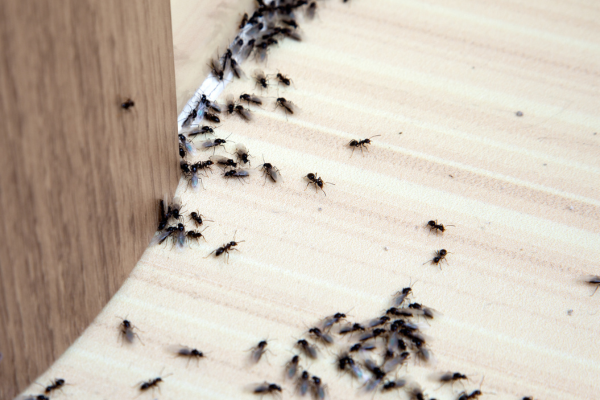
Different ants require different treatments. Odorous house ants (the small black ants that smell like blue cheese when crushed) often respond well to bait stations placed along trails. Carpenter ants nest inside wood, so treatment may involve drilling and injecting foam or dust into wall voids. Fire ants in the yard typically need broadcast granular bait plus mound treatments. Each approach carries its own material and labor cost.
Infestation Size and Spread
A small colony concentrated near a kitchen window costs less to treat than one that has spread through multiple rooms or into a crawl space. Technicians charge more time and materials when they have to treat a larger area. A thorough inspection is the only reliable way to gauge how far a colony has actually spread.
Treatment Method
- Bait stations: Slow-acting, highly effective for most interior ant species. Ants carry bait back to the colony and eliminate it from the inside out.
- Liquid barrier/perimeter spray: Applied around the foundation, entry points, and landscaping to stop ants before they get inside.
- Dust or foam injection: Used for carpenter ants nesting in wall voids or structural wood.
- Granular broadcast: Common for fire ant colonies in lawns and landscaping.
- Combination approach: Many jobs use two or more methods, which increases cost but also effectiveness.
One-Time vs. Recurring Service
A single treatment handles the immediate problem, but ants often return, especially in a coastal climate like New Bern’s. Recurring quarterly or bi-monthly pest control plans typically run less per visit than a standalone call and keep pressure on colonies year-round. For most homeowners, the recurring plan saves money over time.
Property Size and Accessibility
Larger homes with more linear footage of foundation, more entry points, and harder-to-reach crawl spaces take longer to treat. A 1,200-square-foot bungalow in Ghent costs less to treat than a 3,000-square-foot home in Taberna with a full crawl space.
Typical Ant Extermination Cost Ranges in New Bern, NC
The table below shows estimated general ranges for common ant treatment scenarios. These are industry-wide reference ranges, not quoted prices from River Pest. Your actual cost will depend on the inspection findings.
| Scenario | Estimated Range | Notes |
|---|---|---|
| Single interior treatment (small infestation) | $100 to $200 | Bait stations or spot spray; one visit |
| Single interior + perimeter treatment | $150 to $300 | Covers foundation and entry points |
| Carpenter ant treatment (wall void injection) | $250 to $500+ | May require multiple visits; structural access needed |
| Fire ant yard treatment | $100 to $300 | Granular bait plus mound drench; yard size matters |
| Recurring quarterly plan (per visit) | $75 to $150 | Lower per-visit cost; covers multiple pest types |
| Severe or multi-species infestation | $400 to $700+ | Large property, multiple colonies, combination methods |
Getting the species right before you treat is the single biggest factor in whether an ant job actually works, not how much product you use.
Why New Bern’s Climate Makes Ant Control a Year-Round Job
New Bern sits in Craven County along the Neuse and Trent rivers, which means warm summers, mild winters, and high humidity for most of the year. That combination is ideal for ant colonies to thrive and expand.
Ant activity typically peaks in spring and early summer when colonies are growing and foraging for food and moisture. But in New Bern’s climate, ants rarely go fully dormant in winter. Odorous house ants and carpenter ants can stay active indoors through January and February if they’ve established a colony inside a heated wall or crawl space.
Neighborhoods like Trent Woods, River Bend, and Brices Creek that back up to wooded lots or waterways tend to see heavier carpenter ant pressure because these ants nest in moist, decaying wood. If your property has mature trees, wood mulch near the foundation, or a crawl space with any moisture issues, your risk is higher.
The U.S. Environmental Protection Agency recommends integrated pest management (IPM) approaches that combine inspection, habitat modification, and targeted treatment rather than broad chemical application. A good exterminator will look at moisture sources, entry points, and conducive conditions, not just spray and leave.
How Does Ant Extermination Cost Compare to Other Pest Treatments?
Ant jobs are generally less expensive than termite treatments, but more involved than a basic spider or cockroach spray. If you’re already dealing with ants and wondering whether termites might also be present (carpenter ants are sometimes confused with termites), it’s worth reading about How Much Does Termite Treatment Cost in New Bern, NC? to understand how those costs compare.
Termite treatment can run into the thousands of dollars depending on the method, while most ant jobs stay well below that. That said, carpenter ant damage left untreated for years can require costly wood repairs on top of the extermination cost, so acting early saves money.

What Should a Professional Ant Inspection Cover?
A thorough inspection is the foundation of accurate pricing. Before any technician quotes you a number, they should look at the following.
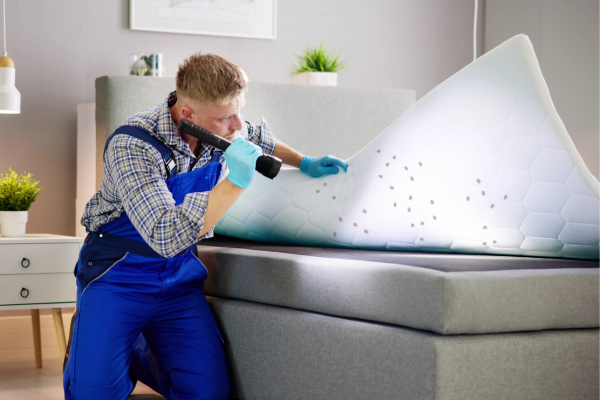
- Identify the species. Treatment products and methods differ significantly by ant type.
- Locate the colony or colonies. Interior trails often lead back to a nest in a wall void, crawl space, or exterior landscaping.
- Check moisture conditions. Carpenter ants are almost always associated with moisture-damaged wood. Fixing the moisture source is part of the long-term solution.
- Assess entry points. Gaps around pipes, cracks in the foundation, and poorly sealed windows are common entry routes.
- Evaluate the yard. Wood mulch, firewood stacked against the house, and overgrown vegetation all contribute to ant pressure.
The EPA’s guidance on pest management emphasizes that inspection and prevention are as important as chemical treatment. Ask any exterminator you hire whether they’ll walk you through their findings before they start treating.
DIY vs. Professional Ant Extermination: Is the Cost Worth It?
Store-bought ant bait and sprays can cost as little as $10 to $30, which makes DIY tempting. For a small, isolated trail of odorous house ants near a food source, a retail bait station sometimes works. But there are real limits to what over-the-counter products can do.
Most retail sprays are repellent-based, which means they scatter the colony rather than eliminate it. You may see fewer ants near the spray zone, but the colony splits and reappears elsewhere. Professional-grade non-repellent products and slow-acting baits are more effective at reaching the queen, which is the only way to truly eliminate a colony.
For carpenter ants, fire ants in the yard, or any infestation that has persisted through multiple DIY attempts, professional treatment is almost always the more cost-effective path. Spending $200 on a professional job beats spending $50 on products every few months with no lasting result.
Questions to Ask Before You Hire an Ant Exterminator in New Bern
- What species are you treating, and how did you confirm that?
- What treatment method will you use, and why is it right for this species?
- Does the quote include a follow-up visit if the problem persists?
- Are you licensed and insured to perform pest control in North Carolina? (In NC, pest control companies are required to hold a license through the NC Department of Agriculture and Consumer Services.)
- Do you offer a recurring maintenance plan, and what does it cover?
- What can I do to reduce conditions that attract ants?
Asking these questions upfront helps you compare quotes on equal footing and sets clear expectations for the job.
Ready to Get a Quote for Ant Extermination in New Bern?
River Pest LLC serves New Bern and the surrounding Craven County area with ant extermination and pest control services tailored to the specific pests and conditions in this region. Call (252) 876-5360 to schedule an inspection and get an accurate quote for your home.
FAQs
How much does ant extermination cost in New Bern, NC?
Most residential ant extermination jobs in New Bern fall between $100 and $500 for a single treatment. Carpenter ant jobs involving wall void injection or larger properties can run higher. A professional inspection is the most reliable way to get an accurate number for your specific situation.
How many treatments does it take to get rid of ants?
Many infestations resolve after one or two treatments, but it depends on the species and colony size. Carpenter ant colonies in wall voids may need two visits spaced a few weeks apart. Recurring quarterly service is the most reliable way to prevent ants from returning in a warm, humid climate like New Bern’s.
What is the difference between carpenter ants and termites?
Carpenter ants excavate wood to nest but do not eat it. Termites actually consume wood as food. Carpenter ants are larger, usually black or red-black, and leave behind sawdust-like frass. Termites leave mud tubes and damaged wood with a honeycomb interior. A professional inspection can confirm which pest you’re dealing with.
Are ants worse in the summer in New Bern?
Yes. Ant colonies grow and forage most aggressively in spring and summer when temperatures are warm and food sources are abundant. New Bern’s humid coastal climate means ant season can stretch from March through October, with some species staying active indoors through the winter months.
Can I treat ants myself with store-bought products?
For a small, isolated trail, retail bait stations sometimes work. However, most store-bought sprays are repellent-based and scatter the colony rather than eliminate it. For persistent infestations, carpenter ants, or fire ants in the yard, professional-grade products and methods are significantly more effective and often more cost-efficient in the long run.
Does homeowners insurance cover ant extermination?
Standard homeowners insurance policies in North Carolina generally do not cover pest extermination costs. Pest damage is typically classified as a maintenance issue. Some policies may cover structural repairs caused by carpenter ant damage if the damage was sudden and accidental, but coverage varies. Check your specific policy for details.
How do I know if I have a carpenter ant problem vs. a regular ant problem?
Carpenter ants are noticeably larger, typically 1/4 to 1/2 inch long, and are often seen near moisture-damaged wood, window frames, or crawl space areas. You may also find small piles of coarse sawdust (frass) near baseboards or door frames. Smaller ants trailing along kitchen counters or near food are more likely odorous house ants or pavement ants.
What can I do to prevent ants from coming back after treatment?
Seal gaps around pipes and utility penetrations, fix any moisture issues in the crawl space or around the foundation, move firewood and wood mulch away from the house, and trim vegetation that touches the exterior walls. Recurring perimeter pest control treatments also create a barrier that significantly reduces re-infestation between visits.